


After the destruction of the Valley, a friend and I approached the police to ask if we could enter to feed the ancestors. They allowed me to go in, but my friend was refused entry.
Walking into the Valley that day, I felt the weight of all that had been lost—the land, the Longhouse, the sacred fire, and the unity we had fought so hard to protect. Yet, I also felt the presence of those who had stood with us, and of the ancestors whose spirits would never be erased. The Valley may have been taken from our hands, but it will never be taken from our hearts. The Creator knows and sees all!
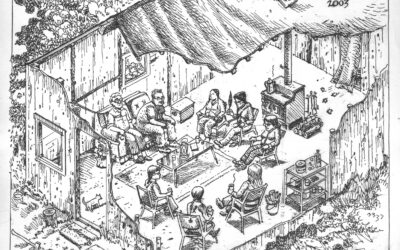
Over time, I learned about the struggles and aspirations of the people at the protest. There were different factions, and tensions began to rise as people sought to take leadership and gain recognition for their role in the protest. But throughout all of this, the core objective remained clear: to save the valley and its sacred lands.
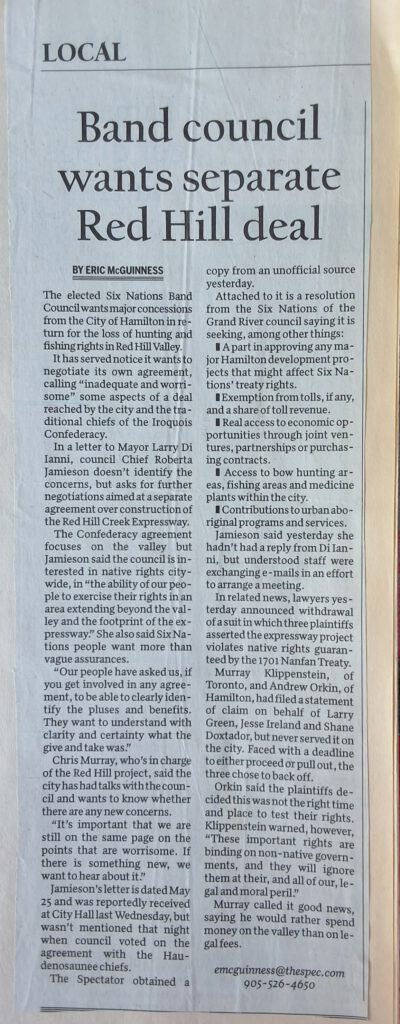
One day, a lawyer came to discuss the legalities of laying a claim to the land, and I began my crash course on treaties, land rights, and the treatment of First Nations people. It was eye-opening and left me with a deep sense of injustice. I learned that many government leaders, both past and present, have disregarded the rights of indigenous peoples.
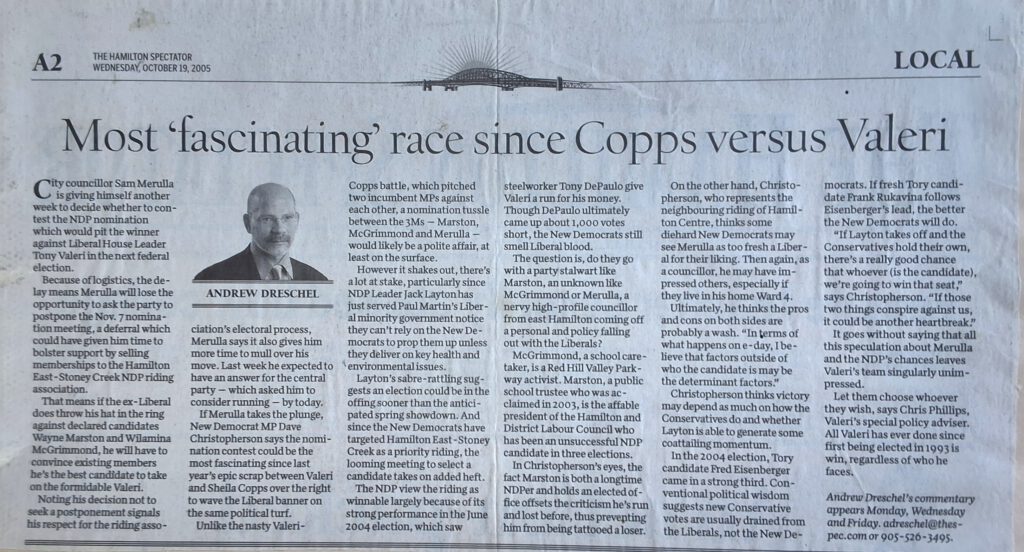
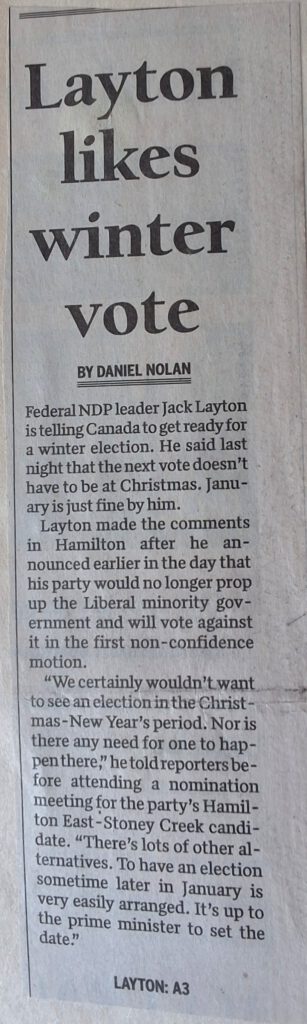
As the protest continued, I witnessed the growing involvement of the media and politicians. People like Jack Layton, a well-known political figure, came to show their support. However, my encounter with him left me feeling disillusioned. When I asked him about his policies regarding First Nations, he directed me to his website—an answer that left me feeling like my concerns were not being truly heard.
Despite these disappointments, I remained committed to the cause. I was determined to ensure that the protest was not forgotten, even as the media often misrepresented it. I remember the day the sacred fire was lit in the valley. It was a powerful symbol of resistance and unity, and it brought people together in a way that words alone never could.
Through this experience, I met many incredible individuals, learned valuable lessons about the rights of indigenous peoples, and gained insight into the complexities of land claims and protest movements. I also realized the importance of speaking out for what is right, even when the road is difficult and the stakes are high.
The Red Hill Valley protest was more than just a fight to save a piece of land—it was a fight for dignity, justice, and the preservation of culture. It was a fight that I was proud to be a part of, and one that continues to inspire me to this day.


0 Comments